


Mapping Ancient and Historic Routes using Geo-Spatial Tools
Background
A heritage route is composed of tangible elements of which the cultural significance comes from exchanges and a multi-dimensional dialogue across countries or regions, and that illustrate the interaction of movement, along the route, in space and time" (UNESCO, 1994).
The significance of "Cultural routes" as one of the four categories of World Heritage sites is apparent. The concept is further advanced by the ICOMOS charter on cultural routes,which offers guidance on the identification, documentation, conservation, and promotion of these routes.
The charter provides a broad framework that does not take into account the significance of smaller cultural routes that predominantly showcase intangible cultural assets. Additionally, the charters do not clearly establish criteria for identifying and evaluating Nomadic and transhumance routes, Indigenous routes that exhibit agricultural expansion, routes based on Indigenous oral knowledge networks, routes that reflect Indigenous or maritime trading systems, and other similar routes. (Srichandan et al., 2021).
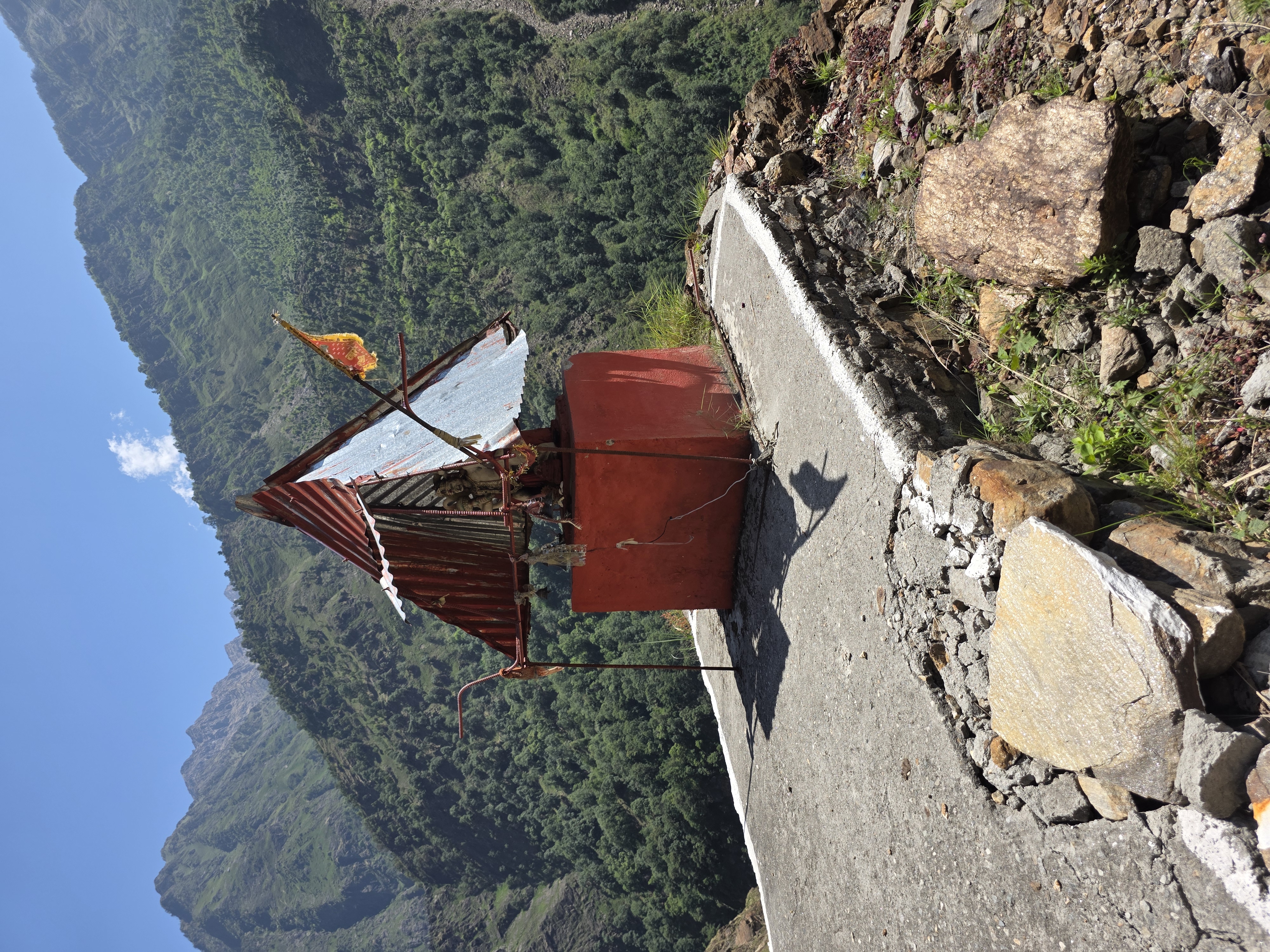
Mapping Ancient and Historic Routes using Geo-Spatial Tools
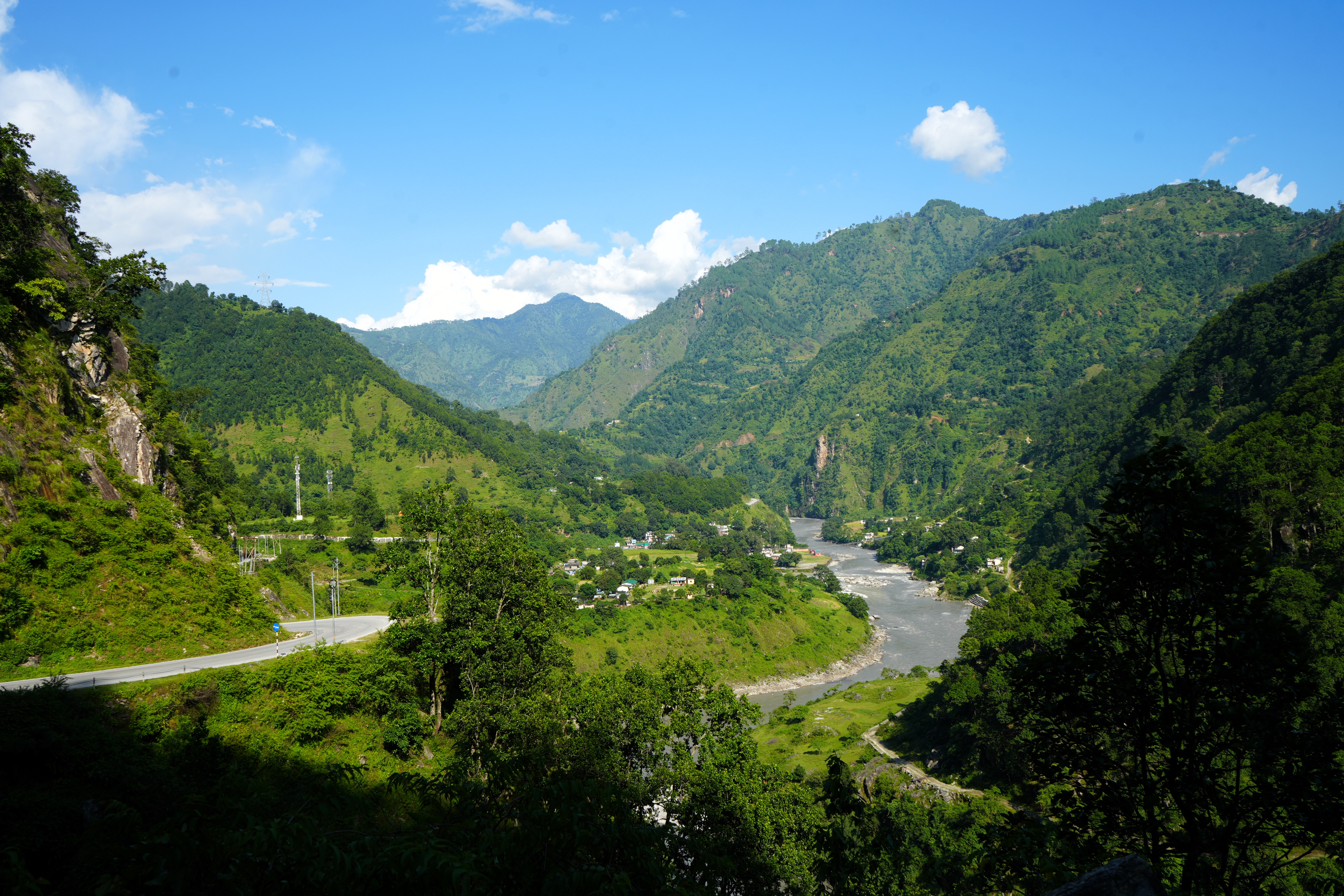
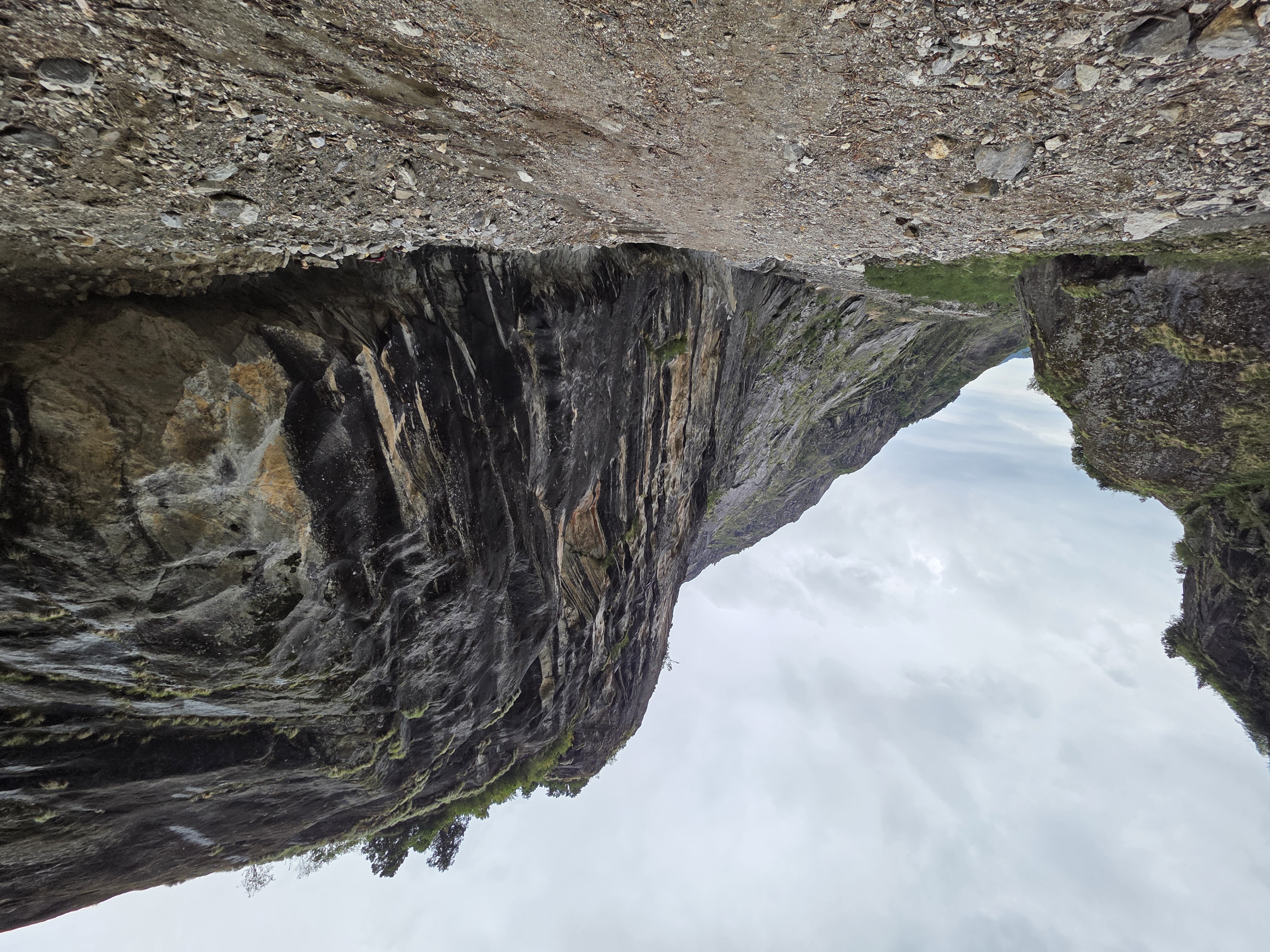
MARG stands for “Mapping Ancient and Historic Routes using Geo-Spatial Tools”. The project aims to create an open-source database that links all institutions, laboratories, and researchers engaged in the study of cultural and historic routes across the Indian Subcontinent region. As the first stage, the project focuses on the trade routes of the Bhotiya tribe in the Himalayan Regions. Within the context of the Himalayan region, the Bhotias of Uttarakhand traversed cultural routes to reach Tibet's highlands, which demonstrates how societies enrich themselves through communication over centuries. This ethnically and culturally diverse community traditionally lived a nomadic life and can be found in the upper reaches of the Great Himalayas, along the Indo-Tibetan border.
The core objective of our project is to promote and preserve the cultural and heritage roots of the Indian Subcontinent, a noble aspiration that serves as the driving force behind our efforts. We strive to create an all-encompassing resource that fosters collaboration, facilitates the sharing of knowledge and resources, and provides a platform for all stakeholders to come together and honor the region's rich and multifaceted cultural heritage.
This database will be a comprehensive resource, offering easy access to information on ongoing work and the experts involved, thereby catering to the needs of anyone interested in this field. Therefore, We extend an invitation to all institutions, laboratories, and researchers engaged in this area to join us in our endeavor and contribute to this valuable resource. Together, we can make a significant difference in advancing cultural and heritage tourism, education, and research in the region.
Historic Routes
Transhumance Routes
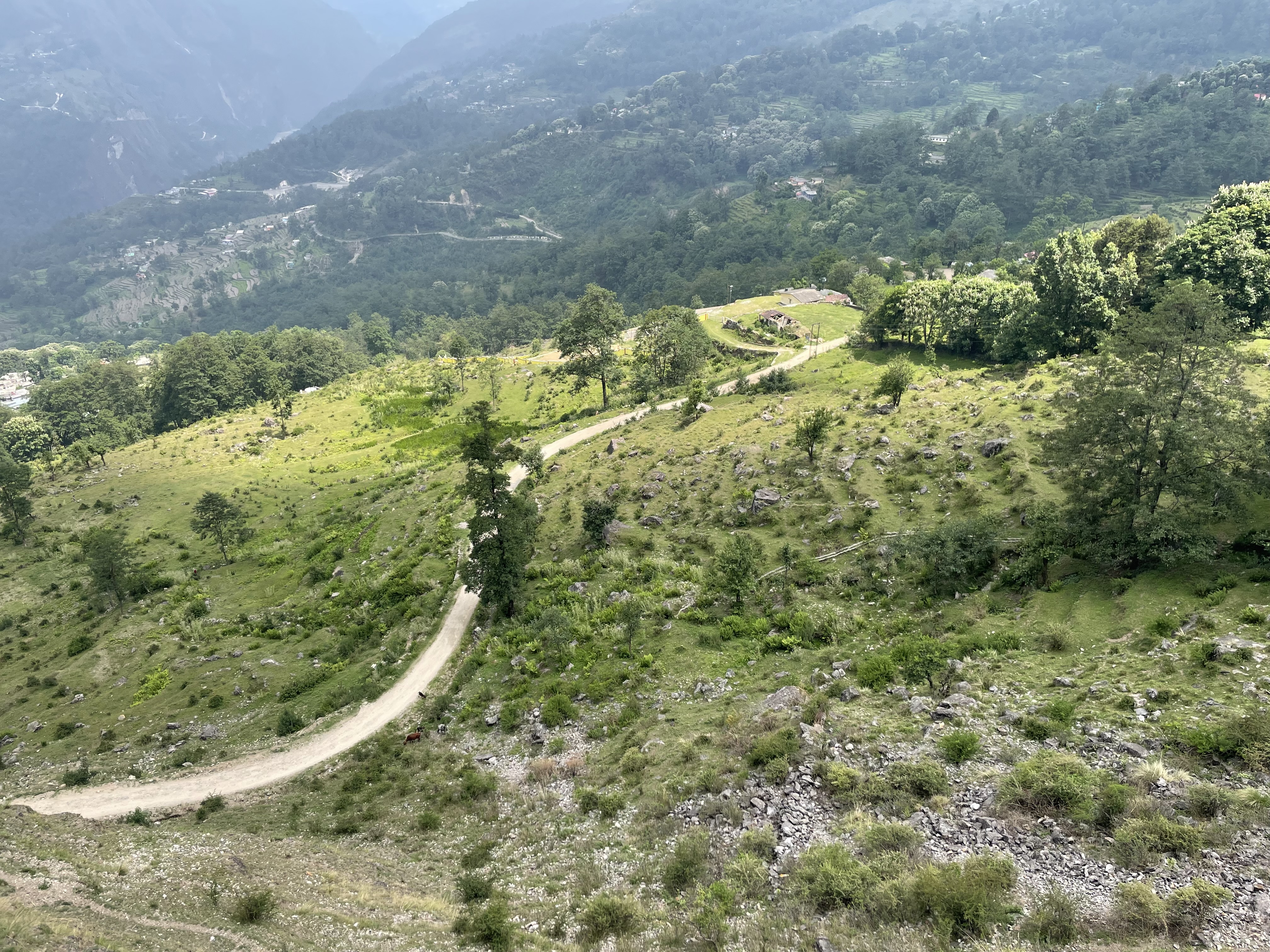
Transhumance routes are established, traditional paths used for the seasonal movement of livestock and herders between different geographical and climatic regions, typically moving to higher mountain pastures in the summer and returning to lower valleys in the winter.
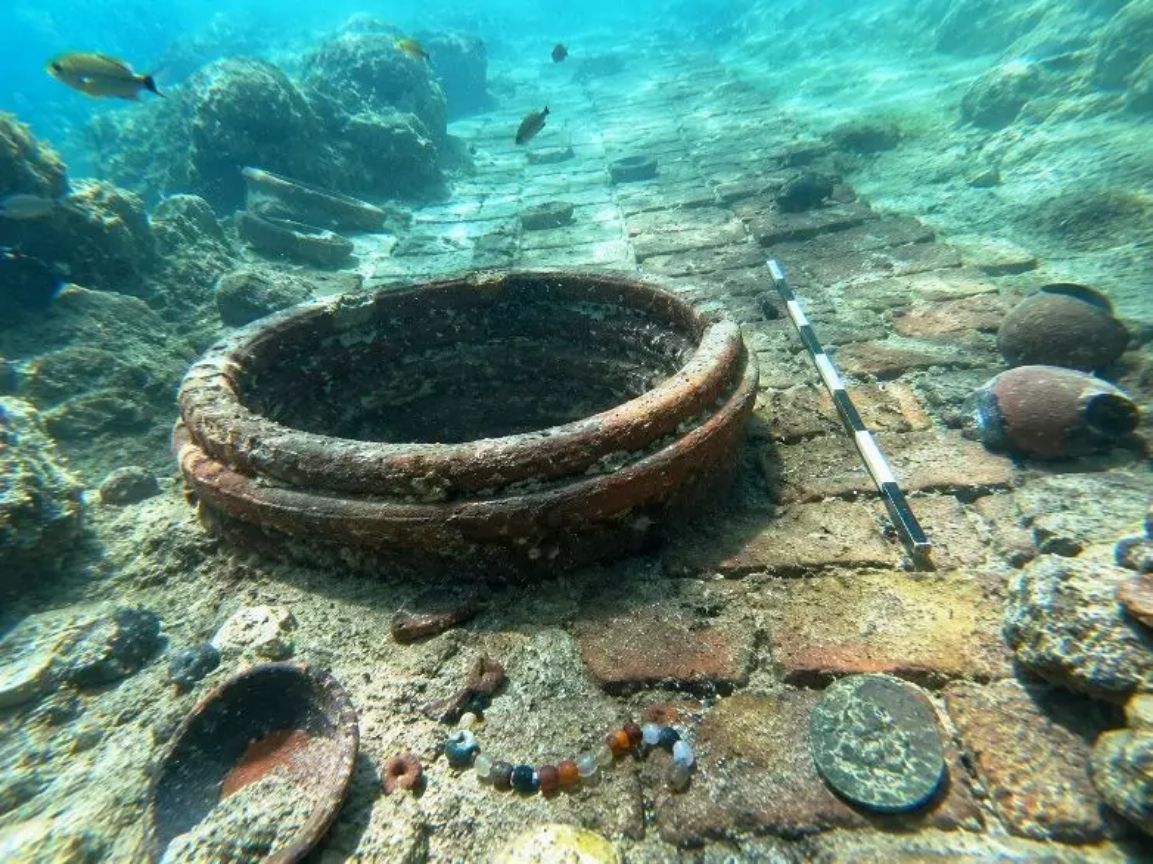
Maritime Routes
Maritime routes are established paths or lanes across oceans, seas, and navigable rivers that merchant ships use to transport cargo and passengers. They carry roughly 80% to 90% of global trade volume, linking major industrial and economic hubs around the world.
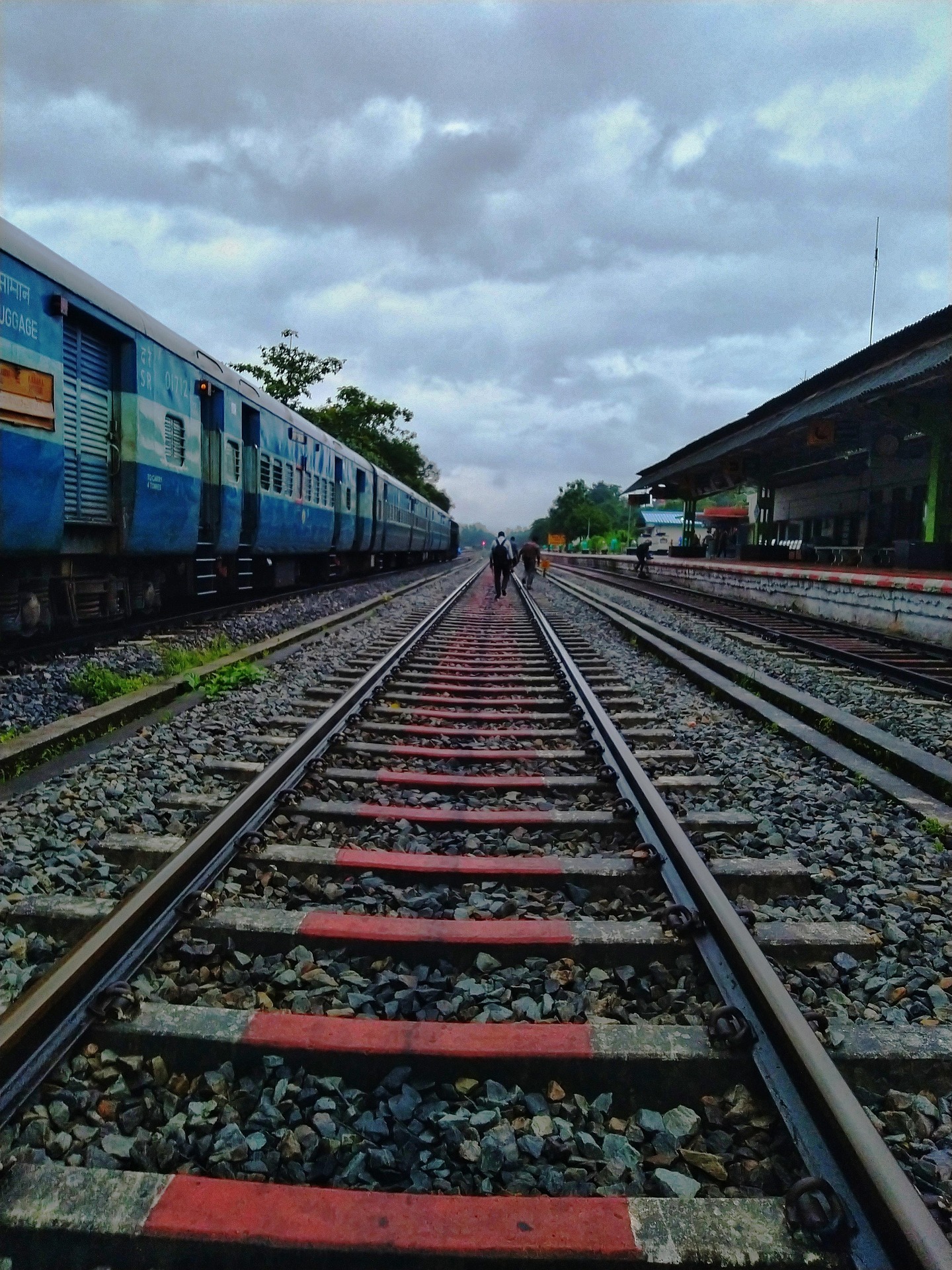
Railway Routes
Railway routes represent historic lines of rail transportation that connected communities, stimulated industrial growth, and facilitated cultural exchanges over long distances across the subcontinent.
Heritage & Routes
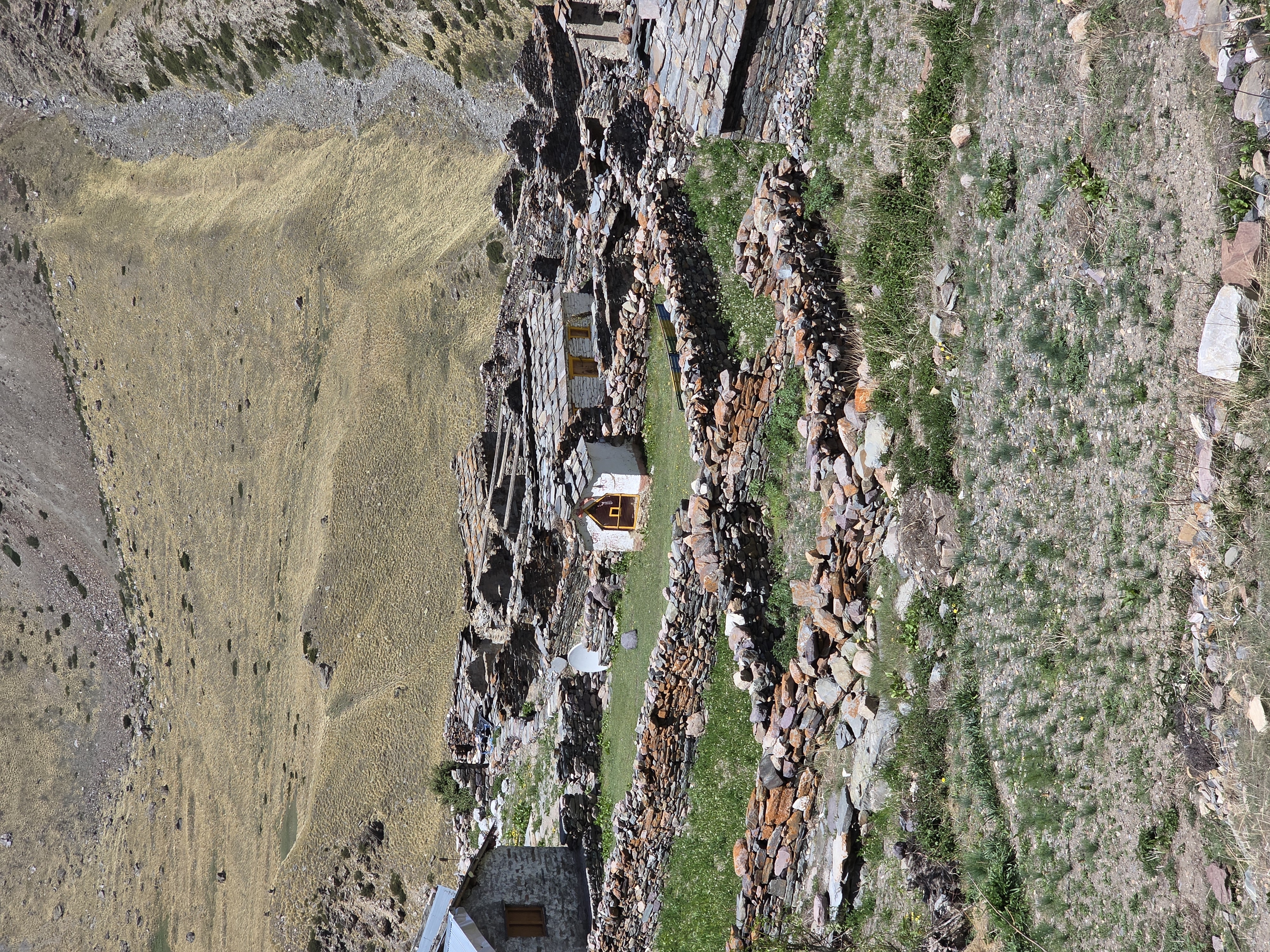
IMMOVABLE TANGIBLE HERITAGE
Monuments, architectural structures, and archaeological sites securely fixed to their geographic location along historical routes.
EXPLORE MODEL →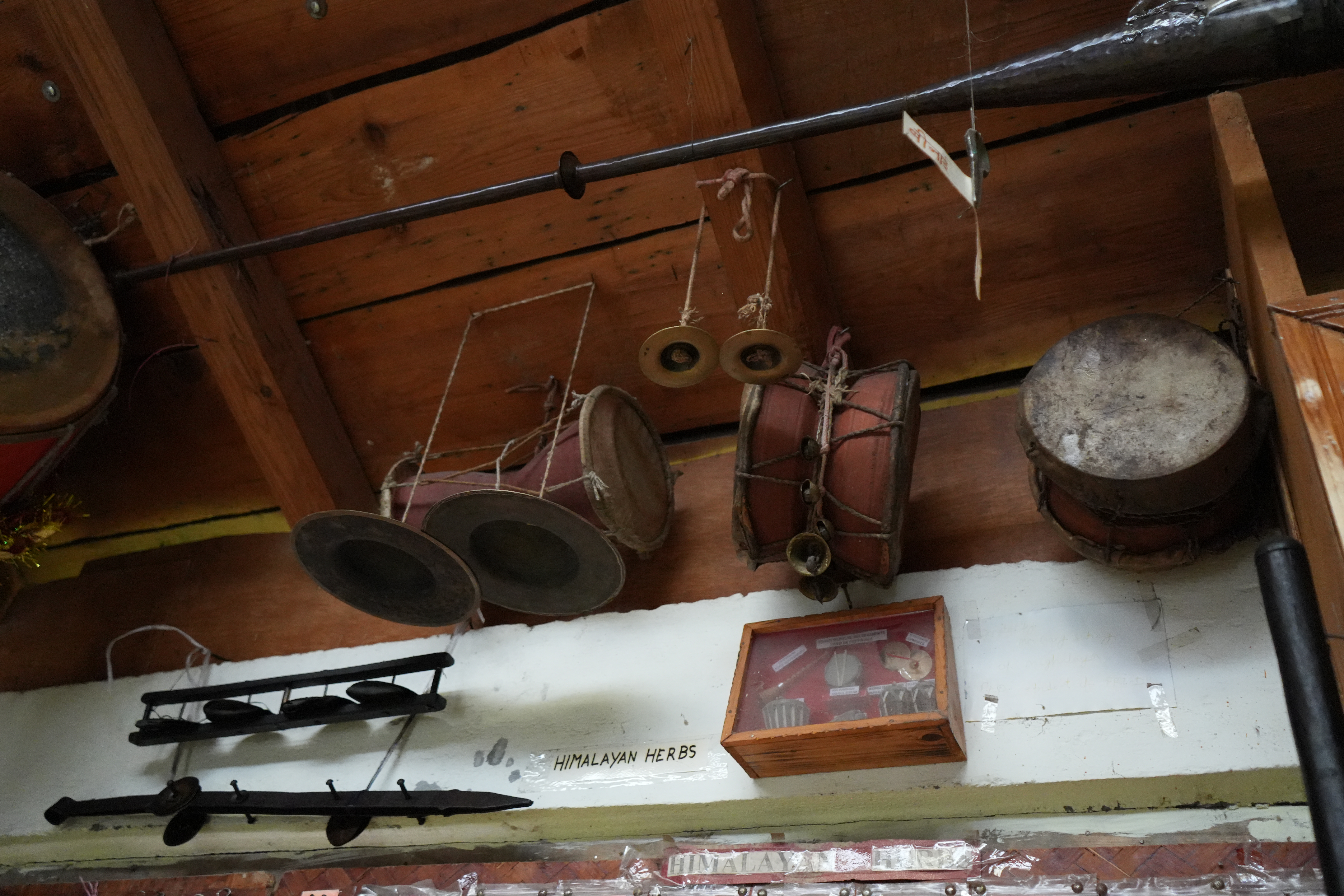
MOVABLE TANGIBLE HERITAGE
Artifacts, manuscripts, sculptures, and portable cultural objects recovered from or associated with historical networks.
EXPLORE MODEL →
INTANGIBLE HERITAGE
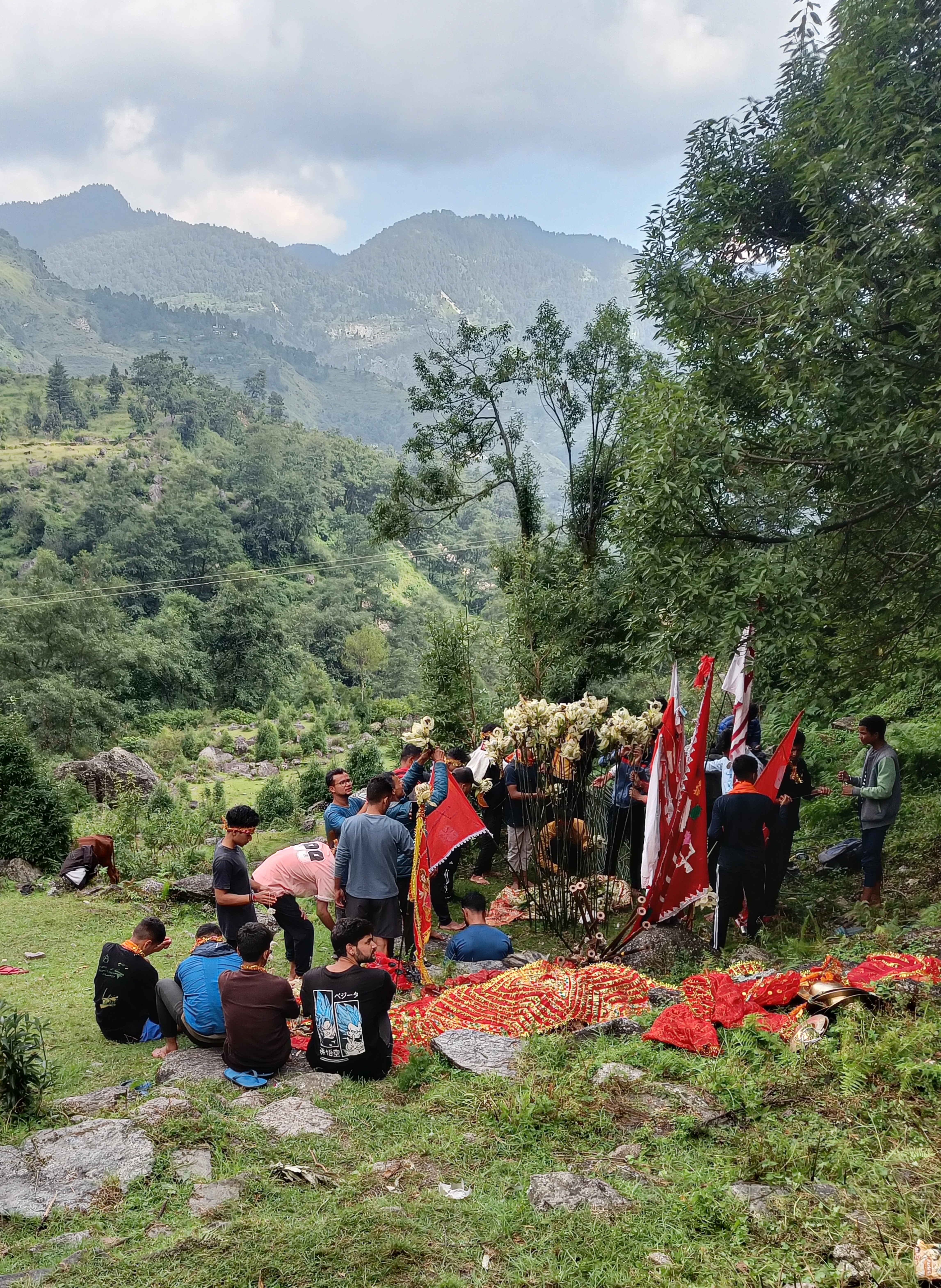
Oral traditions, performing arts, social practices, and indigenous knowledge systems preserved by communities over centuries.
EXPLORE MODEL →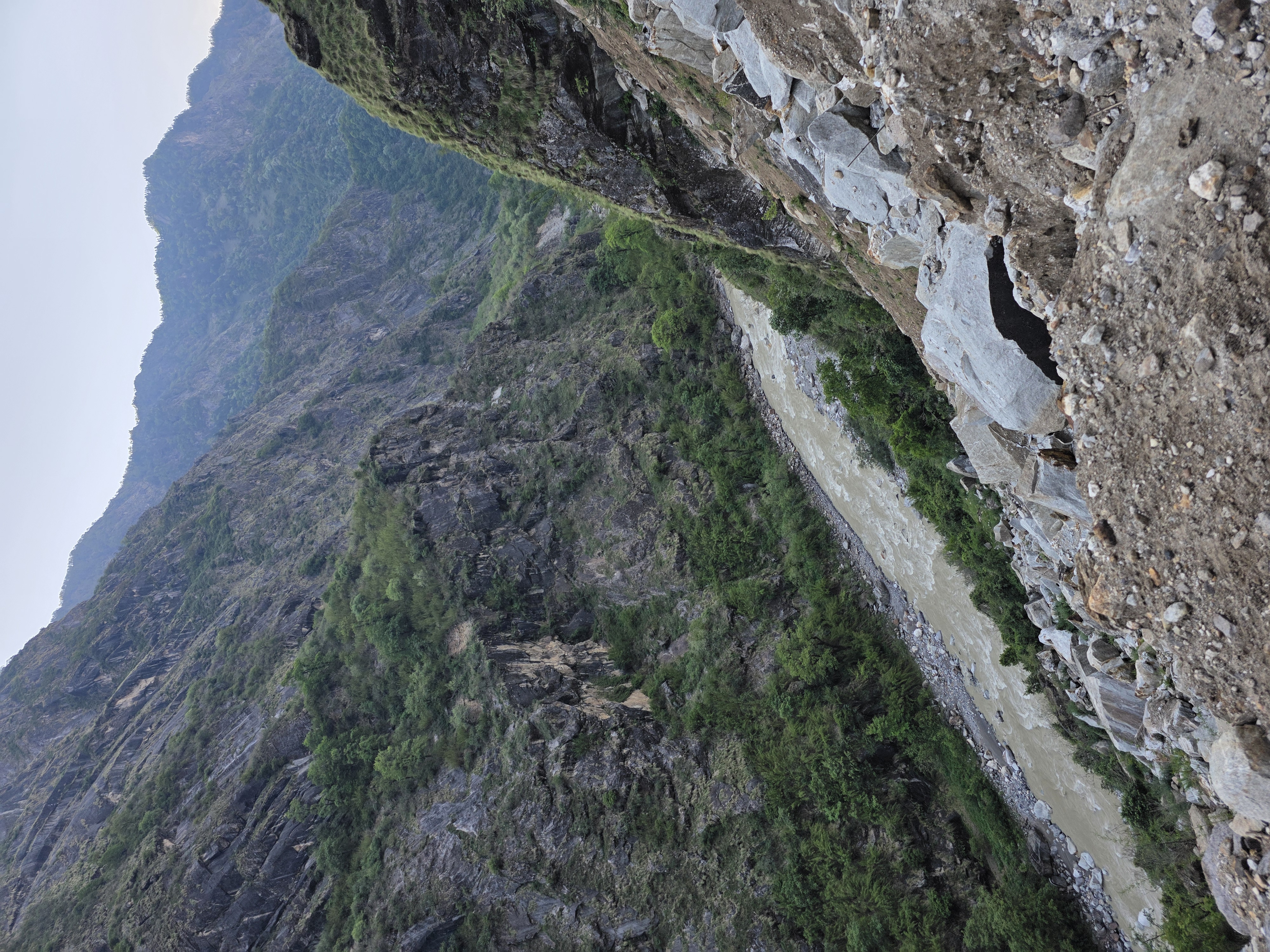
NATURAL HERITAGE
Sacred groves, critical landscapes, and geographic formations inherently tied to the history of the region's routes.
EXPLORE MODEL →